Chapter one — Contract
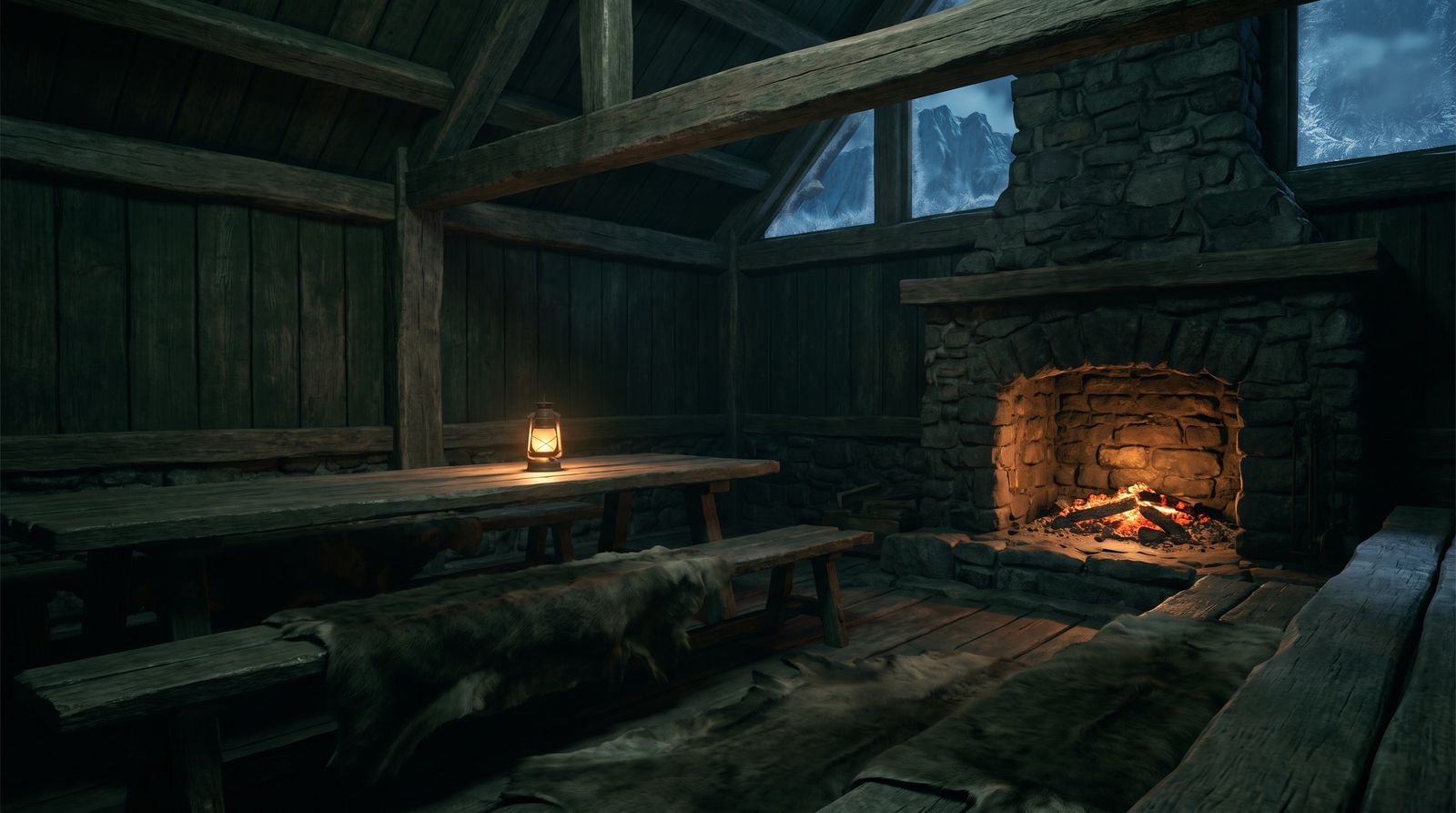
Tamsin Greer was twenty-seven years old and she had already decided that a contract was not the same thing as coming home.
The mountain road into Ashfall was the same lie it had been three years ago: pine, wet stone, a radio that only knew weather. Long Frost autumn sat on the range like a held breath. The light came in thin through the windshield, the color of old bone, and the truck’s heater clicked like a thing that had learned not to promise warmth. She drove a vehicle that had no pack mark and a body that still did. The bond in her chest—old, unwanted, alive—ticked harder the closer she got to the den.
She had told herself, in other ranges and other rented rooms, that a bond was just a scar with opinions. She had been paid to believe worse things. She had been paid to keep worse men breathing. None of that had sanded the tick down. It sat under her sternum like a second pulse that did not ask permission. Every mile of switchback made it louder. Every mile of switchback made her angrier that it was still there to be loud.
The envelope on the passenger seat said mercenary. It did not say mate. That was the joke. Ironfang had paid her to keep their alpha breathing. Their alpha had marked her and thrown her out under a council threat that smelled like paper and Mara.
She was not here to kneel for a title.
She was here because the list had teeth, and because the bond had never died, and because if someone was going to stand at Joss Kerr’s back it would not be a stranger who did not know how his ears lied.
The road remembered her hands. She had learned it at nineteen, running supply, and again at twenty-four, leaving. The same hairpin above the creek that froze first. The same pull-off where kids from Pine Hollow came to drink and pretend the range was scenery. The same rusted mile-marker that the pack had never bothered to replace because pack time did not live on painted numbers. She passed it without counting. Counting would have been a calendar. She did not owe this mountain a calendar.
Three years. She had taken work that did not ask her last name. She had slept in trucks and in rooms that smelled like other people’s soap. She had learned the difference between a clean kill and a clean invoice. She had not learned how to stop smelling pine in a city that had none. The bond had followed her like a dog she had not fed. Some nights it had been a pull toward the west. Some nights it had been a bruise that woke her before the alarm. She had put her hand on her own throat and felt the old mating scar and told it, out loud, that a scar was not a leash.
The scar had not answered. The bond had. That was the problem with mates. They did not respect a good speech.
Pine Hollow fell away below the last grade. A strip of town that knew how to look ordinary: a diner with a sign that had lost two letters, a hardware that sold more salt than nails once the frost came, a sheriff’s office with a light that stayed on because the man inside did not trust the dark. The last human gas station sat at the edge like a polite lie. She pulled in because the tank was a fact and because she wanted a minute that was not the den.
The clerk was a kid who did not look at her twice. Good. She paid cash. She bought nothing that would sit in the cab and smell like a decision. Through the glass she saw the sheriff’s tired truck in the lot, in-the-know, not her problem. He was a man in his fifties with a coat that had outlived two winters and a face that had learned not to ask pack questions in public. He nodded at her the way you nodded at weather. She nodded back. That was the whole treaty.
She filled the tank and stood in the cold with the nozzle in her hand and let the bond tick. West. Up. Him. She hated that it was useful. A compass you wanted to throw still pointed.
A woman in a canvas jacket came out of the diner and looked at Tamsin’s truck too long. Not hunter. Town. The kind of look that meant I remember a girl who left and I am deciding whether to say so. Tamsin put the nozzle back and got in the cab before the woman found a sentence. She did not need Pine Hollow’s memory. She had her own, and it was sharper.
The tree line that was pack started two miles past the station. You could smell it if you had the nose: den-smoke, wolf, wet stone, the particular iron of a range that had been held by the same blood too long. Under it, newer, a man who had not slept. She knew that scent the way she knew her own mouth. Joss Kerr. Thirty-one now. Alpha four years. The boy who had put his teeth in her and then sent her down this same road with a council paper in her pocket and a lie in his ears.
She had replayed the rejection in other winters until it stopped being a scene and started being a tool. He had said it was for the pack with his mouth. His ears had flattened. She had seen it. She had still left, because staying would have been kneeling, and she did not kneel for a title or for a man who could not keep his ears honest. She had walked. She had not run. That distinction had mattered to her at twenty-four. It still mattered.
The envelope rustled when she took a curve. Ironfang letterhead, Mara’s tidy hand on the rate, a second page that was the list. Names. Hers. His. Wes Brant. A contractor alias in town that she had already filed as a wolf who passed. Hunters did not write lists for sport. Hunters wrote lists because someone had sold them a map.
She had read the list in a motel two ranges over, sitting on a bed that squeaked, and she had laughed once, mean, because of course they had put her name on a paper after they had thrown her out. Of course the bond had yanked when she saw his name under hers. Of course she had taken the job. Money was a reason you could say in a den. The other reasons were hers.
Tamsin pulled over before the gate. The shoulder was frost and pine needles. The gate itself was timber and iron, pack-made, a thing that looked rustic to anyone who did not know it would take a truck at speed and still hold. She sat with her hands on the wheel and said, to the empty cab, “I am twenty-seven. I have been gone three years. I do not owe him a softening.”
The bond answered anyway. A pull. A scar that was not on her skin.
She could smell the den from here. Smoke from the longhouse. Wet fur. Coffee that had always been pine-bitter. Under it, him: unslept, paced, a rumble he was swallowing even at this distance because the bond was a cheat and it brought her the shape of his nights. She had felt those nights from other rooms. She had hated that too.
A scout was on the ridge. She did not see him first. She smelled him: young-not-young, competent, a rotation and not a story. Niall, if the briefing had been honest. Twenty-nine. She lifted two fingers off the wheel without looking up. The ridge went still in the way that meant received. Good. She had not come home to train anyone. She had come home to keep an alpha breathing and a list from becoming a grave.
She put the truck in gear.
The gate opened before she reached it. Someone had been told. Of course they had. Mara would have wanted the theater of a mercenary arriving on time. Joss would have wanted the opposite and lost the argument, or won it and posted a watch anyway because he was a commander even when he was a coward about his own want. Tamsin did not slow for the courtesy. She drove through like a woman who had been paid, which she had, and like a woman who still had teeth, which she also had.
The inner road was packed dirt and frost. Pack houses sat back in the trees, low, smoke at the chimneys, the kind of building that looked like it had grown there. The den itself was older: stone and timber, a mouth of a door, the long table she remembered even when she had tried not to. The alpha house stood to the left, a darker timber, windows that had watched her leave. She did not look at the windows long. Looking would have been a softening.
Wes Brant was in the yard in the den body, because of course he was. Twenty-eight. Beta. Upright, speaking, hands, smoke-dark pelt on his shoulders, ears up, tail still. He lived in that skin when the walls were pack. He had when she had left. He had not pretended it was a costume then and he did not now. He watched her truck like a man watching weather he had already smelled.
She parked. She did not turn the engine off immediately. The tick of it was a third pulse. She took the envelope. She took the knife at her hip because a knife was a sentence you could finish without shifting. She stepped down into frost that knew her boots.
Wes’s ears flicked. “You’re late.”
“I’m on the rate,” Tamsin said. “Late is a feeling. Feelings are not in the envelope.”
His mouth ticked, not quite a grin. “He’s in the den. Half-form. Council’s already talking like you aren’t a person.”
“I never was, to them. I was a mating and then I was a problem.” She slung her pack. “You still living in your ears?”
“When I can.” Wes’s tail moved once. “List’s real. I smelled the camp east. I want to burn it. He wants paper. You’re going to be the tie, which is a shit job, but you always liked shit jobs that paid.”
“I liked jobs that ended.” She looked at the den door. The bond yanked. She did not let her feet hurry. “Ilya.”
Wes’s ears went sideways, a tell he did not bother to hide. “Town. Passing. Don’t say it in there like a claim. Joss won’t. I won’t. Winter can have that fight.”
“He’s on the paper,” Tamsin said. “So are you. That’s not winter. That’s a name I get to see in a room so I know who I’m keeping alive besides the man who threw me out.”
“You’ll see it,” Wes said. “I’m not hiding a beta behind a loft. Mara can choke on that.”
The den-smoke thickened as a door opened somewhere inside. Voices. A rumble that was not Wes. Joss. Even at this distance the sound hit the bond like a fist she had invited. Tamsin stood in the yard and let it hit. She did not close her eyes. Closing her eyes would have been a prayer, and she did not pray to alphas.
“Twenty-seven,” she said, under her breath, a reminder, a weapon. “Three years. I do not kneel.”
Wes heard it anyway. Pack ears. He did not comment. That was the first decent thing anyone on this mountain had done for her in three years, and it was a beta in the yard, and she filed it as useful and not as kindness.
She walked toward the den.
The threshold smelled like wet stone and old votes. She stepped in human because she wanted the option of leaving without shifting in a doorway, and because she wanted Joss Kerr to see her face first. The bond climbed her throat. The scar at her neck—his mark, three years faded and not faded—warmed as if a mouth had remembered it.
She did not touch it.
A woman came out of a pack house with a basket and stopped when she saw Tamsin. Sila, if the years had not renamed her—graying, competent, the kind of person who kept a den fed and did not vote with her mouth. She looked at Tamsin’s truck, at Tamsin’s face, at the envelope in Tamsin’s jacket.
“You’re late,” Sila said, not unkind.
“I’m on the rate,” Tamsin said. “If you’re going to say the line, say it. I’d rather hear it from a kitchen than from a council.”
Sila’s mouth ticked. “I said it three years ago, to him, when he came back from the gate without you. I said you threw away a mate and you will pace for it. He paced. I’m not saying it again to your face. There’s stew if you want a bowl that isn’t a treaty. I’m not Mara. I don’t sell maps.”
“I know you don’t.” Tamsin filed the stew as a later she might take. “Wes and Ilya are on the paper. If you hear anyone in a house talking around those names like they’re weather, you tell Gwen. Healers get doors. Lofts don’t.”
Sila nodded. She went back inside with the basket. That was the second decent thing. Tamsin stood in the yard with two decencies and a bond and a den door, and she was twenty-seven, and she had already decided that decency was not a softening if you could spend it on a watch.
She went in to collect an invoice.
The three years sat in the cab with her like a second passenger. She had taken a contract in a southern range that smelled like dust instead of pine and had kept a beta breathing through a border dispute that was really a theft. She had taken a contract on a coast that did not have a pack and had learned that humans with money still wanted teeth they could rent. She had slept in a room above a tannery and a room behind a smith and a room that had been a chapel before someone decided gods were less useful than storage. None of those rooms had smelled like Joss Kerr. All of them had tried. The bond had followed her like a dog she had not fed and she had put her hand on her own throat in each of them and told the scar it was not a leash.
It had not been a leash. It had been a compass. She hated useful things that were also wounds.
The envelope’s second page was the list in a hand that was not pack: Tamsin Greer, twenty-seven if they had bothered to ask, which they had not; Joss Kerr, alpha; Wes Brant, beta, a note about the den body as if living in your skin were a crime; a contractor alias in Pine Hollow that she had already smelled as a wolf who passed. She had read it in a motel two ranges over, sitting on a bed that squeaked, and she had laughed once, mean, because of course they had put her name on a paper after they had thrown her out. Of course she had taken the job. Money was a reason you could say in a den. The other reasons were hers.
She passed the hairpin above the creek that froze first. She passed the pull-off where kids from the hollow came to drink and pretend the range was scenery. She passed the rusted mile-marker the pack had never replaced because pack time did not live on painted numbers. She did not count. Counting would have been a calendar. She did not owe this mountain a calendar.
At the last grade she pulled over a second time, not at the gate, at a turnout that looked at Pine Hollow’s strip and the tired sheriff’s light and the diner with two letters gone. She said, to the wheel, “I am not coming home. I am coming to a rate. If he flattens his ears I will see it. If he says it was for the pack I will make him say the other sentence. I do not kneel. I am twenty-seven. I have been gone three years. That is enough speech for an empty cab.”
The bond answered anyway. A pull. West. Up. Him. She put the truck in gear and took the tree line that was pack, den-smoke and wolf and a man who had not slept, and she did not look at the alpha-house windows long, because looking would have been a softening, and she had already decided that a contract was not the same thing as coming home.
Pine Hollow’s sheriff did not get out of his truck. He watched her fill the tank through glass that had a crack in the shape of a river, and when she hung the nozzle he lifted two fingers off the wheel the way pack lifted them, which was how she knew he was in-the-know and tired and not a seller. She did not go over. A treaty that had already been nodded did not need a speech. The kid at the register had already forgotten her face. The woman in the canvas jacket had not. Tamsin started the engine before the woman found a sentence about a girl who left.
The last two miles of human road were salt and a ditch that held last week’s ice. Then the trees closed and the radio died the way radios died on Ashfall, a hiss, a weather word cut in half, silence. The bond ticked harder. She tasted pine in the back of her throat. She tasted him under it, unslept, paced, a rumble swallowed at a distance because the wire was a cheat. She said, to the empty passenger seat, “I will not unpack. I will not kneel. I will not call a guest room a home. I will keep him breathing because that is the envelope. I will see his ears. That is the other envelope. It does not have letterhead.”
Niall’s stillness on the ridge was a clean thing. She filed it. The gate opened. Wes was in the yard in the den body because of course he was. She parked. She took the knife. She took the envelope. She stepped down into frost that knew her boots, and she was twenty-seven years old, and she had already decided that a contract was not the same thing as coming home, and she walked toward the den anyway, because the list had teeth, and because the bond had never died, and because if someone was going to stand at Joss Kerr’s back it would not be a stranger who did not know how his ears lied.
The contract’s rate was enough to keep a mercenary in fuel and not enough to buy a softening. Tamsin had checked that arithmetic in the motel, on the bed that squeaked, with the list on her knee and the bond ticking west. She had taken jobs for less. She had taken jobs for more. She had never taken a job that had her own name on the second page under the man who had thrown her out. She had laughed once, mean, and signed, and packed the knife, and driven toward a mountain that still knew her hands.
At the turnout above the hollow she watched the sheriff’s light and the diner’s missing letters and the hardware that would sell more salt than nails once the frost deepened. Ilya Venn would be in that hardware line, or a line like it, a wolf who passed, a name she would make a den say out loud. Wes Brant would be in a yard in the den body, a beta who lived in his skin. Joss Kerr would be in a house that had his scent in the paint, thirty-one, unslept, a scar she could feel through a shirt and a bond. Mara would be in a loft with paper. Wicks would be east of a two-mile with a professional’s silence.
She said, to the wheel, the ages and the years and the no-kneeling, and the bond answered anyway, and she put the truck in gear, and the gate opened, and she went in to collect an invoice.
The radio died on a word that might have been frost and might have been a name. Tamsin turned it off with two fingers and let the cab be quiet except for the bond. The last human mile marker fell behind. The first pack smell came up through the vents: den-smoke, wet stone, unslept man. She did not slow. Slowing would have been a softening. She passed Niall’s ridge stillness and the timber gate and Wes’s ears and Sila’s basket, and she parked a truck that had no pack mark, and she stepped down into frost that knew her boots, twenty-seven, three years gone, an envelope that said mercenary and a body that still said mate, and she did not kneel, and she went in to collect an invoice.
A jay screamed once over the inner road and then thought better of it. Tamsin slung the pack and felt the envelope’s edge against her ribs and the bond’s edge under her sternum, two papers, one paid, one not. Wes’s ears flicked. You’re late, he said. I’m on the rate, she said. Late is a feeling. Feelings are not in the envelope. He told her the council was already talking like she was not a person. I never was, to them, she said. I was a mating and then I was a problem. Ilya, she said. Town. Passing. Don’t say it in there like a claim, Wes said. He’s on the paper, she said. So are you. That’s not winter. That’s a name I get to see in a room. She walked toward the den. Twenty-seven. Three years. I do not kneel. The threshold smelled like wet stone and old votes. She went in to collect an invoice.
The salt bag at the hollow station had split and made a white fan on the concrete. Tamsin stepped around it without comment. The clerk had already forgotten her. The sheriff had already nodded. The woman in canvas had already lost her sentence. The bond ticked west. She drove. She pulled over before the gate and told the empty cab her age and her years and her no-kneeling, and the bond answered anyway, and she put the truck in gear, and the gate opened, and Wes was in the yard in the den body, and she parked, and she took the knife, and she took the envelope, and she was twenty-seven, and she did not kneel.
The truck’s heater clicked like a thing that had learned not to promise warmth. She drove anyway. Pine. Wet stone. A radio that only knew weather until it knew nothing. The envelope said mercenary. It did not say mate. That was the joke. Ironfang had paid her to keep their alpha breathing. Their alpha had marked her and thrown her out. She was not here to kneel for a title. She was here because the list had teeth and the bond had never died. Moonrise made the frost look like salt on the den roof. Tamsin did not look up long. Looking up was a prayer. She went in.
The last switchback held a stone she had kicked at twenty-four. She did not kick it now. Kicking would have been a calendar. She drove over its shadow and went to collect an invoice.
A chipmunk crossed the inner road as if pack politics were weather. Tamsin let it cross. She had a den to enter and an invoice to collect.
The den door was a mouth of timber and old smoke. She stepped through it human, invoice in her jacket, teeth where she could reach them.