Chapter one
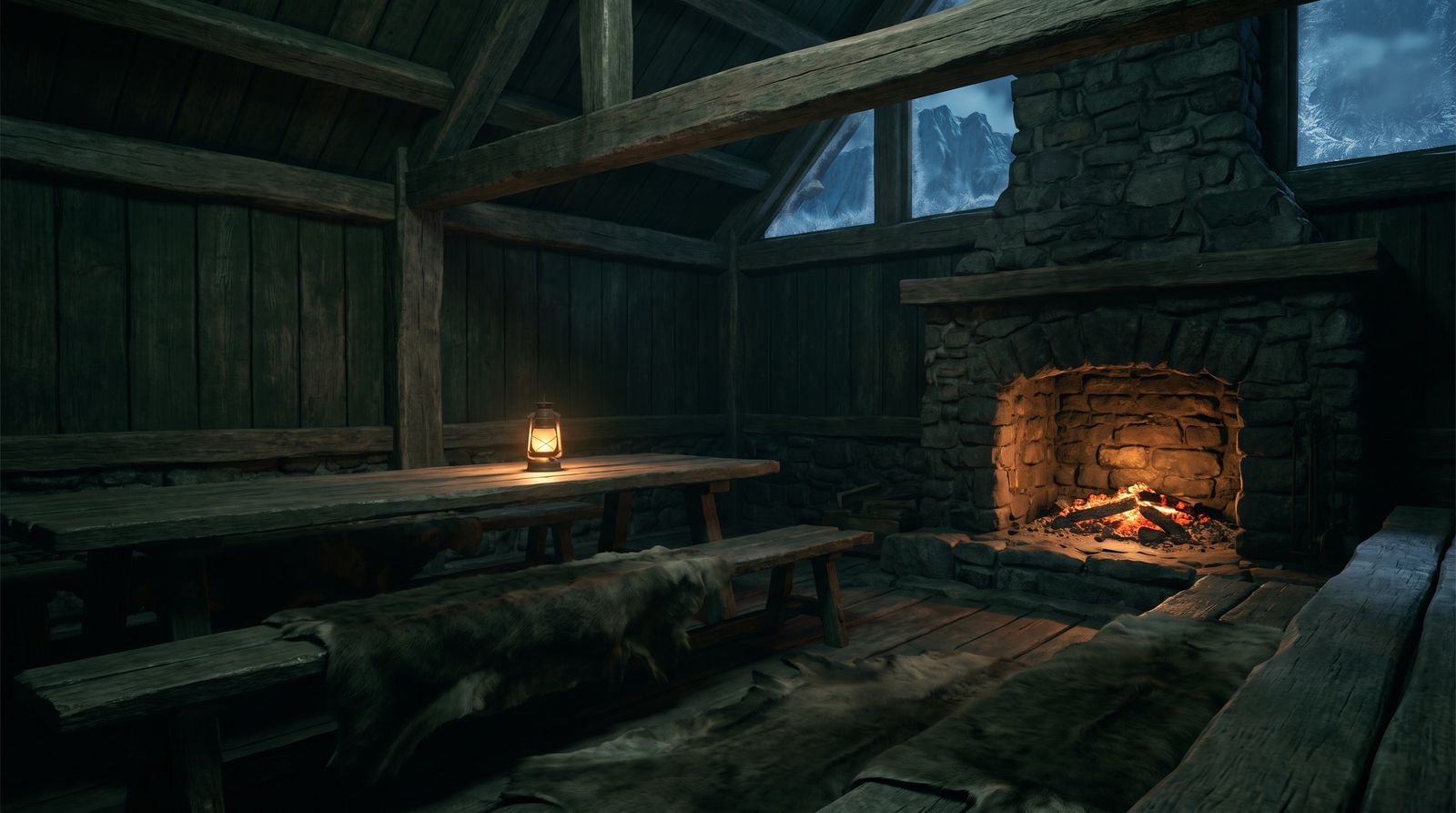
Joss Kerr was thirty-one and he had already thrown away the only mate who mattered. He would not throw away the pack.
He had not slept. That was not new. What was new was that the not-sleeping had a west to point at. Midsummer sat on Ashfall like a held breath that had decided to be a war. The porch boards were already warm under his bare feet, even before the sun cleared the inner pines. Pine resin had gone sweet in the heat, then bitter, the way a den smelled when too many bodies had slept in it and not enough of them had slept well. Somewhere in the yard a kit latch clicked. Somewhere in the den mouth a rumble answered it. Pack. Not a minute. A fact.
West benches showed movement that Odette Holm had named army if you’re honest. Wicks’ shape. Militia leftover. Money that smelled like Mara’s remaining friends: Elder Sutt, who had voted for the human-alliance mating three years ago and never sat all the way down; a man called Halberg who bought ammunition for church-lot committees; Brask’s ammunition cousins if they still had a west to run to.
Joss had the glass on the porch rail. He did not need it. Niall had already sent the count at first light: trucks on the old logging grade, dust where dust should not be after a dry week, a radio that talked in church-lot codes and thought the range still answered to paper. Odette had named the habits under the count. Water at dusk. A file that liked high ground. A professional who would not show until someone else had paid the first hour.
The Long Frost year had opened with a mercenary on a mountain road. It had given him a remating he had not deserved and a cell under the den that still held the woman who had taught him to throw a mate away. Spring had burned a last contract. Midsummer had not asked if they were ready. Midsummer had put banners on the west and called it weather.
He set the glass down. His hands wanted claws. He kept them human. The hollow still had leftover eyes, and an alpha who greeted a war in half-form on a porch that faced a sheriff’s truck was making a carnival before breakfast.
Tamsin Greer stood in the doorway of the alpha house, twenty-seven, mercenary who had become a mate by choice. Smoke-gray when she needed the den body. Human this morning, because the hollow still had leftover eyes and because she had decided a knife’s grip mattered more than ears for the first hour. Doorway. Settled. Not a scene. The bond in Joss’s chest ticked at her like a second pulse he was allowed to keep.
He looked at her hands first. He always did. Knives were a language she spoke better than comfort. She had three that he could see and two he could smell oil on. The scar through one ear was a pale notch in human form, a story the pack had learned not to make a minute.
“We march after ink,” she said. “Not before. If you run at banners without a compact, Sila and Pim will hunt their own wars and you’ll die polite in a gap.”
“Ink at dawn.” Joss’s ears would have flattened if he’d been shifted. He stayed human for the porch. “Then we march. The last howl is not a death if we stay a pack. That’s the job. Beds are not strategy. I learned that when I paid you like a stranger.”
Tamsin’s mouth twitched. “You learned it when I charged you a year. Don’t get sentimental on a porch. Save it for a ridge if we get one.”
He did not kiss her in the yard. Doorway max. The war was not their sex plot. The war was a list that had grown feet and banners.
The sheriff got out without a hat. In-the-know. Older than the lie the tourists got. He stood in the dust and looked at the porch the way he looked at Main when a committee wanted a carnival and he wanted a blotter that stayed boring.
“I’m not here to bless you,” the sheriff said. “I’m here so you don’t make me write a parade. Halberg’s people like church clothes. If they come through town I’ll stall. I won’t die for your range. I’ll write the bodies you don’t want on Main if you keep the cameras off my square.”
“Stall,” Joss said. “That’s enough. No carnival. No posters. If paper comes through the hollow that wants a fox or a scout or a square as a face, you bring it to us before it grows a meeting.”
The sheriff spat into midsummer dust. “I already did that in spring. I’m tired. Don’t make me proud of you.”
He left the truck where it was. A porch that had learned to visit. The engine ticked. Heat already had opinions about metal.
Joss went down the steps. The yard was already an ensemble. He walked it like weather that had to be a commander, because if he walked it like a mate he would steal a room the pack needed him to leave open.
Wes was already half-form in the den mouth, den-bodied because that was how he lived when the walls were pack: upright, speaking, hands on a crate of oil rags, ears up, tail still. Smoke-dark pelt on his shoulders. A rumble he did not bother to swallow. Ilya stood ears-up beside him, winter-gray in the ruff he no longer hid from Pine Hollow, a square that had become a habit. Wes’s tail hooked Ilya’s once, colleague, not clergy. Ilya’s mouth said nothing useful. His scent said alive and mine and don’t you dare die polite, which Joss filed as weather and not as a minute.
“Trucks,” Wes said, when Joss’s shadow hit the crate. “If you’re giving fire, give it. I’m done being a beta who wants and doesn’t get a line.”
“You’ll get trucks if Ilya lays the oil first.” Joss kept his voice porch-quiet. “Not beds. Not a chase into a ridge someone else chose. Fire is a tool. You already had your book. Don’t write a second one on my road.”
Wes’s ear flicked. Agreement dressed as hunger. Ilya’s tail moved once.
“I’ll lay it,” Ilya said. “Then he can burn what I tell him is allowed. That’s the marriage. We don’t have a priest. We have a list we already burned.”
Gwen stacked kits on the tailgate of the truck that would be a tent if the field allowed it. She did not look at Joss for a speech. She looked at gauze count and the way Jory’s old scar sat under a shirt that would not like midsummer sweat. Jory inked on the hood, vertical, coyote-key rumble private in his chest, a map that updated as the west benches changed their mind about being rumor.
“If you bleed, you come to me,” Gwen said, not looking up, which meant she was talking to the yard. “If you make a speech, you can die somewhere else. I’m not stitching a banner.”
Jory’s mouth made the small smile. “I’ll keep the ink honest. If a bench moves, I’ll say so before someone dies in a gap that was a lie an hour ago.”
“That’s a face,” Gwen said. “Stay a face. Don’t sell a bench to be useful.”
“I won’t.”
Pim sat on the fence as she lived: daily half-form, red-brown, ears up, tail for balance, a muzzle-adjacent face that still had a mouth made for coffee and telling an enforcer no. Denborn road. Oren was a porch underneath her, human-faced for the yard because the hollow’s leftover eyes were still learning, a rumble that had learned to open inward. Her tail hooked his shoulder. Public. Allowed.
“We’ll walk as we are,” Pim said, to Joss, to the heat, to anyone who still hoped a war would iron a fox. “I don’t flatten for a ridge any more than for a hall. If your elders make my throat glue, I leave and I take the road.”
“No glue,” Joss said. “Mates are weather. War is the job. You speak for the road at the table. Oren is a porch, not a coat. Nessa counts. That’s the invoice.”
Oren said nothing useful. His scent said like this, which was not a prayer Joss was owed.
Niall had a scope on the inner wall. A man. A wolf. Not a lesson. Odette had empty hands that were not empty: a rifle broken down on a cloth, habits she had quit and picked up for the right throats. She did not look like a trophy. She looked like a woman who had burned a contract and kept the skill.
“Glass is clean enough to be a lie,” Niall said, without taking his eye off the west notch. “Sutt’s column likes the old switchback. Halberg’s trucks like being behind a vote. Wicks won’t show until you look at the wrong man.”
“Then we look at both,” Odette said. Town volume. Pack room. “I know his habits. He taught me some of them. I quit the paper. I did not quit having a memory.”
Joss looked at them and saw a pack that had remated, stopped passing, stitched a coyote, stood a fox, and refused to make a scout a poster.
Nessa counted food on the porch steps, fox, ears up, the only rank Denborn used: the one who counted. Sila stood in the shade of the alpha house, scarred, human-form because ink later would want a hand that could hold a pen without tearing the sheet. The tired coyotes behind her were a south line that had stopped selling maps and had not yet been paid in benches. They smelled like dust and a year of being tired of ammunition as a god.
“Dawn,” Joss said. He did not raise his voice. Pack hearing did the rest. “Stone table first. Three names. Then west. No freelance. If you want a priest, the range doesn’t have one. If you want a bed, you already have one. Don’t steal a tent the compact needs for blood.”
Wes’s ear flicked again. Gwen checked a latch. Pim’s ears stayed forward. Niall did not look up from glass. That was a yes.
Tamsin walked the edge of the yard, doorway energy even in open air, counting knives and exits. She did not take his hand. Spine. The bond ticked anyway. He let it. He had spent three years pretending a tick was a policy. He was done with that particular stupidity. He was not done being a commander.
He went inside for the draft because a compact that lived only in a mouth became Mara’s kind of paper: a promise that could be moved.
The stone table was cool. The loft above it still smelled faintly of the lists she had kept neat. He had burned the useful ones and jailed the woman. The west had not cared. The west had grown friends.
He laid out three lines in a hand that had learned to be readable when a war wanted to lie later.
Ironfang. Ashclaw who hunt with us. Denborn road.
One compact for the war and for the benches after.
No sales. No ironing. No posters. No freelance. No pipelines.
He did not write Mara. He wrote the other paper in his head: Sutt, Halberg, Wicks, Brask. A confession if the field allowed. A cost if it did not.
The loft stairs creaked. Not Tamsin. Nessa, with a count she wanted on the table before ink.
“Food for six days if we eat like a march and not like a feast,” she said. Ears forward. Daily. A self. “Water if the draws hold. If they don’t, we carry. I’m not flattening the count because someone wants a prettier war.”
“Don’t flatten it,” Joss said. “If we run out, that’s my failure, not your courtesy.”
She left the slip. She did not make it a minute.
Tamsin was in the inner door when he looked up. Not a scene. A fact.
“You’re writing like a man who thinks ink stops bullets,” she said.
“I’m writing like a man who watched a council use a mating as a pipeline.” He set the pen down. “If Sila and Pim don’t put a claw on this, I am running at banners with a pack that will split at the first gap. You told me that on the porch. I’m listening.”
“Good.” She leaned her shoulder on the jamb. A mate who had not knelt for a title. “Don’t flatten your ears on a later list and call it strategy. If you do, I will see it. That’s the marriage. This—” she tipped her chin at the sheet “—is the job.”
“I won’t flatten.”
“You will want to, when Sutt talks about paper like it’s still a vote.” Her mouth was dry humor, not comfort. “Be a commander. I’ll be the door. Don’t you dare call either one pack duty.”
He did not go to her. The stone was wet with nothing yet. Dawn was still a promise. West was already a dust column in Niall’s last click.
He walked the inner corridor once because a commander who did not smell his own house before a march was a man writing speeches. The cell stairs breathed cold. Mara was down there, poisonous, alive, useful until she wasn’t. He did not go down. Tamsin had already told him he would. Poisonous things should be looked at before they bite the war. He would. After ink. After the yard had become a compact and not a set of hungers.
The barracks aisle still smelled like spring’s joke: a hunter and a scout who had refused to be a poster. Niall’s bunk was made. Odette’s rifle cloth was folded. Weather. Not a pamphlet.
Gwen’s side-chamber smelled of antiseptic and coyote and a stitch that had held since midwinter. Jory’s maps were stacked so a wind could not make them a lie. Wes’s nest in the den mouth smelled like pelt and oil and a square that had stopped being a crate. Pim’s fence-post outside still held her scent, public, allowed, a road that would not put the ears away for a peace any more than for a riot.
Joss stood in the cool and let the bond tick and did not confuse it with a plan.
Outside, midsummer insects started their noise. The sheriff’s truck ticked in the heat. Wes’s rumble carried from the den mouth, leftover, a beta who wanted fire and had been promised trucks. Gwen’s kits clicked. Pim laughed once, fox, a self, not a gag. Oren did not joke it.
Tamsin was still in the door when he came back to the stone. He stopped at the jamb. Doorway. His mouth wanted her mouth. He gave the war the first hour instead.
“Dawn,” he said, to the sheet, to the door, to the year that had started with a hire and was going to end with a howl if they stayed a pack.
“Then west,” Tamsin said.
He did not kiss her.
The compact sat on the stone, waiting for three names.
The march sat in the heat, waiting for ink.
Night before the porch had been the same not-sleeping with a west to point at. Joss had walked the inner wall twice in the dark and smelled the cell without going down. Mara’s wool. Old ink. A theater that had not learned the play was over. He had stood at the bar and not opened it. Tamsin had told him he would look in the morning. Poisonous things before they bit the war. He had filed it and gone back to the stone and written the three lines again in his head until they were a job.
Wes had been half-form in the den mouth all night, rumble leftover, Ilya ears-up beside him on a crate. They had not stolen a tent. The ridge could have the morning. Gwen had stacked kits by lamp and told Jory if he tore she would be ugly. Pim had sat the fence as she lived and told Oren twenty minutes after the next ugly, not a table, a pine, like this. Niall had cleaned a scope. Odette had cleaned a rifle. Nessa had counted food a second time in the dark and not apologized. Sila had slept with one eye among the tired ones.
The sheriff’s truck had arrived before first light and sat ticking. A porch that had learned to visit. Joss had stayed human for it. The hollow still had leftover eyes. An alpha who greeted a war in half-form on a porch that faced a sheriff was making a carnival before breakfast.
Dawn had come. The glass had gone on the rail. Odette’s name for the west had already been army if you’re honest. Then Tamsin in the doorway. Then ink. Then west.
Tamsin walked the ditch. No one made it a minute. The hollow fold held. Oren stayed a porch.
From the wall, Gwen laid oil along what the range would give. Midsummer insects sewed the pause. Niall stayed glass or wall.
Dead names went under the stone. Oren cleaned glass above the loft without making it a title. The compact looked like one.
the barracks aisle took Sila the way a hold takes a watch. Nessa did not flatten the number. The bond ticked and was not a plan. That was the invoice.
the passing wolf named from the cellar stairs. Doorway. Settled. Not a scene. Oren stayed a porch. The hour was still a body.
From the notch, the road folded cloth in what the range would give. He did not howl. No posters. No pipelines.
Odette stayed habits or empty hands. Wes counted the grade without making it a title. She did not flatten.
the creek cut took Jory the way a hold takes a watch. Gwen’s kit clicked. No one made it a minute. Species stayed anatomy.
Niall kept a pulse in the kitchen jamb. Half-form stayed people. Joss filed a fact. That was the invoice.
From the alpha-house door, Nessa held what the range would give. Paper would come back later. She did not flatten.
The hour was still a body. the night-watch watched the tent without making it a title. They would eat it sooner.
the scrub took Joss the way a hold takes a watch. Benches were earned, not sold. No cameras. No Earth news. The hollow fold held.
Ilya did not kiss in the kit-truck. No cameras. No Earth news. The tired ones treated it like a job. Dead names went under the stone.
From the pack road, Pim did not chase from what the range would give. The sheriff would write Main, not theology. Pim’s ears stayed forward.
Pack hearing did the rest. Odette kept ears up in the porch without making it a title. Living names went to Gwen.
the bunk took the sheriff the way a hold takes a watch. Midsummer insects sewed the pause. Jory’s ink did not smear. Dead names went under the stone.
the tired ones slept as weather near Main. Sila spat dust and kept the line. That was the invoice. Joss filed a fact.
From the den mouth, Tamsin stood at what the range would give. Nessa did not flatten the number. The war was dirt.
Species stayed anatomy. Gwen stitched beside the draw without making it a title. Pim’s ears stayed forward.
the stone took Oren the way a hold takes a watch. Paper would come back later. The passing wolf did not grin. Oren stayed a porch.
Sila walked the fence. Wes’s rumble stayed leftover. The hollow fold held. Pack hearing did the rest.
From the well, the passing wolf laid oil along what the range would give. Ilya’s ears stayed up. The compact looked like one.
Dead names went under the stone. the road cleaned glass above the inner gate without making it a title. Niall stayed glass or wall.
the ridge took Wes the way a hold takes a watch. Nessa did not flatten the number. Half-form stayed people. Odette stayed habits or empty hands.
The stone waited for three names. The march waited for ink. Joss did not kiss her. Dawn, he said. Then west. Tamsin stood in the door and let the bond tick. Spine. The war was a list that had grown feet and banners.
Wes was already half-form in the den mouth. Ilya ears-up beside him. Gwen stacked kits. Jory inked. Pim sat the fence as she lived. Oren was a porch. Niall had a scope. Odette had empty hands that were not empty. Dawn. Then west.
The compact sat on the stone, waiting for three names. The march sat in the heat, waiting for ink. Dawn, then west.