Chapter one
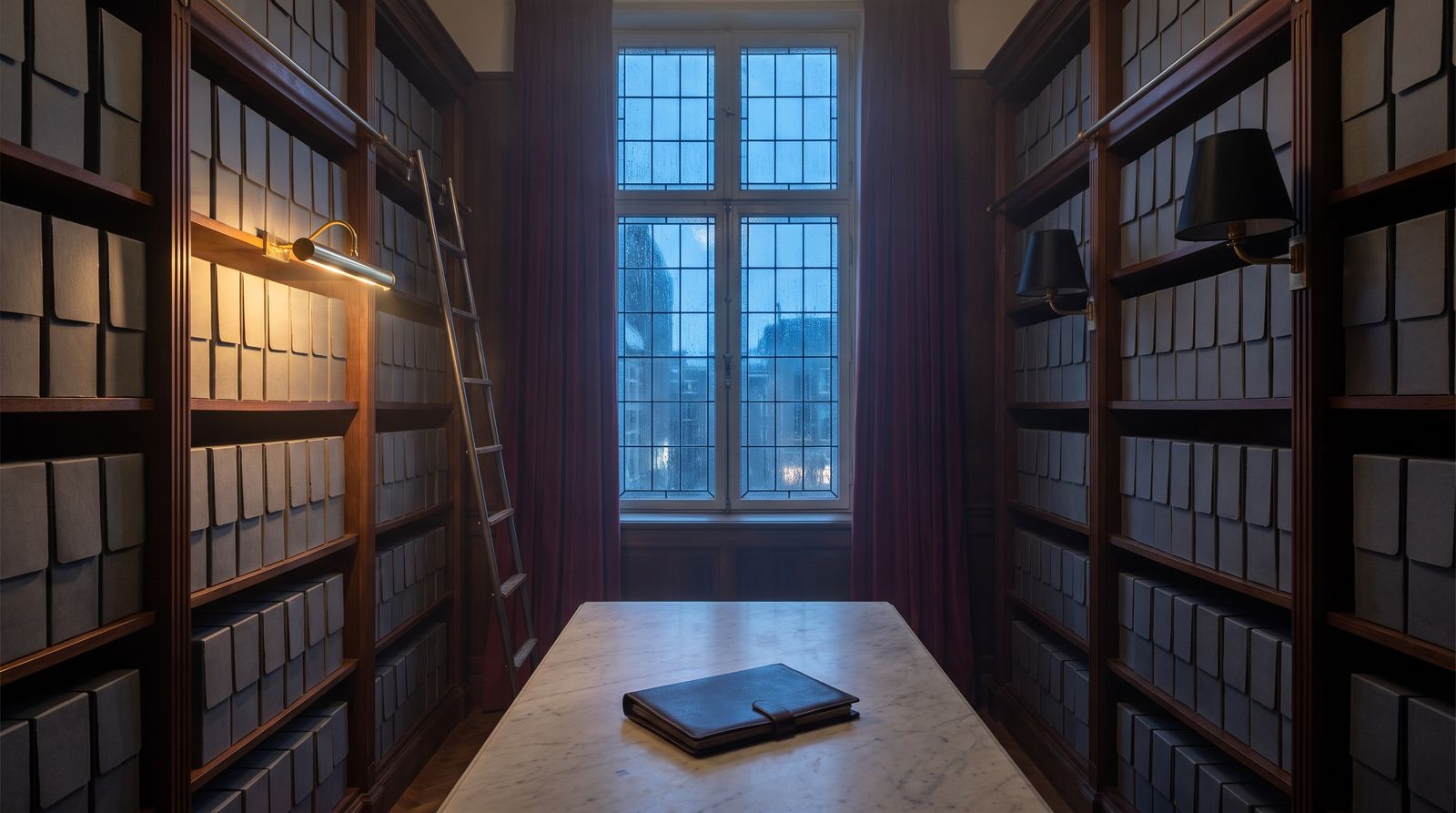
Soren was thirty-three, they/them, and they had hung a show that felt like someone else’s mouth on their walls.
The gallery was a white box in a building that charged rent like a threat. West of Fifth, south of the park’s money, a street that sold itself as Midtown because Chelsea had gotten too honest about what it cost. Four years of Soren’s name on the glass. Two years of work that could survive a window. Then Gareth Lennox and his clean paper, and a year of loans that had never been loans.
September 2027 sat on the glass like a hand that would not come off. The city had not decided it was fall. The air still had July in it, leftover heat from a summer that had ruined a collector in public and left his people looking for new walls. Hollis Mather’s name was a caution people still whispered in doorways. Soren had not invited the whisper. It had arrived with the crates.
Opening night. Wine that stained. A list that included Farah Dyer and Stefan Morel in the corner, clothed, finished, not the plot. Farah in black that did not perform, Stefan with a collector’s stillness he had learned to aim at the right crimes. They had come because Fenwick House still sent its art director to rooms that might lie, and because Stefan named rivers for a living and could smell a fake current. They would leave before the speeches. There were no speeches. Soren did not give them.
Soren stood by the street door and watched the room the way a person watched a fuse.
They had opened the doors at six because six was what the invite said and Gareth liked a clock that other people could be late to. The intern had arrived at five with glasses that would stain and a face that wanted this to be a career. Soren had shown them the south wall and said, “If anyone asks about the north, send them to me.” The intern had nodded as if nodding were a degree. Soren had not told them the north was a chute. The intern was paid to pour, not to be a lock.
By six-twenty the first civilians were in. A couple who bought with other people’s money. A writer who wrote about parties and called them important. A man Soren had sold a true drawing to two years ago and who now looked at the third painting as if the third painting might be a bargain. A woman from a corporate collection who would later buy the parking lot. Two interns from a magazine that was not Sightline. Gareth’s lawyer, already smiling with the wrong mouth. Gareth’s apprentice smile, a woman Soren did not know, laughing at the right time. The intern with the cheap red, hand shaking, pouring as if pouring were a degree. Farah and Stefan, doorway, not yet, seven. A man who collected tells along with red dots. A woman in pearls who would say important to a canvas that had at least been painted by the person on the label. Soren had not gone to the bargain-hunter. Bargains were Gareth’s dialect. Soren’s dialect, tonight, was the door.
Gareth had arrived at six-thirty with the lawyer and the jacket and a woman Soren did not know, younger, a smile that was an apprentice smile. He had put a hand on Soren’s shoulder as if a shoulder were a clause. “Good room,” he had said. “Hollis’s people like a white box. Don’t hover at the door like a problem. Circulate.” Soren had not circulated. They had moved the hand. Gareth had laughed, too loud, and gone to the north wall to perform provenance at a canvas that had never been a loan.
Farah and Stefan had come at seven and left at seven-twenty. Doorway. Warning. Don’t be the next wall. Soren had kept the sentence and the door. They had watched Stefan’s eyes hit the third painting and do the small thing they did when a river was fake, and they had not asked him to stay and name it. Naming it was Friday. Tonight was a fuse.
A woman from a corporate collection asked Soren about the south-wall parking lot. Soren told her the truth: the painter, the winter, the lot that still existed off the BQE if you wanted to stand in it. The woman said important. Soren said, “It’s a parking lot.” The woman bought it anyway, a red dot that was legal, and Soren felt the legal one like a drink of water in a room full of wine.
They went back to the door. They were thirty-three. They had paint in a cuticle and a hardware ring and a pulse they kept off their face. They watched the hinge of the third painting and the laugh at the far wall and the coat that had not yet come in.
Then the coat came in.
The third painting had arrived on a Tuesday with paperwork that could have passed a customs officer who wanted to be passed. Swiss locker last spring, if you believed the loan form. A red dot already in the folder, a buyer who had never walked the space, a title so tasteful it felt like a threat. Soren had hung it anyway. That was the part they would not get to unwrite. They had hung it because Gareth had smiled and said we’re a wall now, Peck, and because the rent did not care what Soren’s mouth wanted to say about provenance.
Gareth Lennox was fifty-two and he still thought a smile was a certificate. He stood at the far wall in a jacket that had never been near a crate and laughed at something a lawyer said. The laugh was too loud for the white. It always had been. Soren had told themselves, for eleven months, that loud was just Gareth. Loud was not a crime. Clean paper was not a crime until you looked at the hinges.
Soren looked at the hinges.
The frames on the north wall sat a quarter-inch off the story the labels told. Not enough for a civilian. Enough for a person who had spent four years hanging true things and then a year hanging a chute. The night camera in the back hall had a blind spot Gareth had called an upgrade. The silent-partner clause in the contract made Soren’s name a door he could walk through whenever the leftover people needed a pretty theft to stand under good light.
Soren had built this room to be a room. They had not built it to launder other men’s taste.
They had found the lease four years ago on a Tuesday that had no business being hopeful. The previous tenant had sold jewelry that looked like it hurt and had left the hooks in the walls like a dare. Soren had taken the hooks out and put them back in the right places, measured, a person who liked tools that did what they said they would do.
They had painted the box white because white was what the work needed, not because white was what money expected. They had slept on the bench for three months while the loft above was a shell, a mattress later, a table that held contracts more often than food.
They had hung a painter who did parking lots in winter and summer and one lot off the BQE that still existed if you wanted to stand in it. They had hung a sculptor who did hinges in bronze, ugly-honest. They had hung a photographer who only shot rooms that were empty on purpose. For two years the reviews had been real. Delia Marsh had written one of them, a sentence about the parking lots that Soren could still quote if they were drunk, which they were not, which they did not get. They had kept the sentence. They had not written her. They had not expected her coat.
Then the rent jumped. Then Gareth Lennox arrived with a number and a smile and a clause. Soren had read the clause. Soren had signed it anyway. That was the part no window could unwrite. They had told themselves the loans would be loans. The first one had a story that almost held. The third had a story that did not. The fifth had a crate labeled gift in a hand Soren had not asked about because asking would have required an answer they were not ready to hang.
July had ruined Hollis Mather in public and left his people in Soren’s doorway with clean paper and the word season. Soren had said they would think. They had thought. They had hung this show anyway, which was a kind of thinking that was actually a cowardice, which they were done performing as taste.
They stood by the door and counted the room: twenty-two bodies, four red dots that should not have been legal, one red dot on the south wall that should, Gareth’s lawyer, Gareth’s laugh, Farah’s warning already leaving, an intern who poured as if pouring were a graduate degree. Soren’s own hands, paint in a cuticle, hardware ring, a pulse they kept off their face.
A woman in black stopped in front of the third painting too long.
Mid-thirties. Critic’s posture. The kind of stillness that was work, not awe. Delia Marsh—Soren knew the byline. A decade of sentences that could lift a show or starve it. Soren had read her when the space was still honest, when a review from Marsh meant a month of people who came to look instead of to shop. Then the reviews had gone kindly. Soren had noticed. Kindly was not Marsh’s dialect. Kindly was a person writing with a crate on their back.
Delia’s coat had a weight in the inner pocket that was not a phone.
Soren left the door. They did not hurry. Hurry was a tell, and the room was full of people who collected tells along with red dots. An intern poured. The intern’s hand shook on the cheap red, which stained, which was the point of cheap red. A couple from the Upper East Side performed interest at a canvas that had, at least, been painted by the person on the label. The woman said important to the parking lot. The man checked his phone. Farah’s gaze tracked Soren the way an art director tracked a lie in a layout: not a rescue. A warning. Don’t be the next wall. Stefan did not look. Stefan was a finished book in a doorway, and doorways were all the prior couples got.
Soren stopped beside Delia and looked at the hinge, not the picture.
“You’re staring at the hinge,” Soren said.
Delia did not jump. She had been waiting to be spoken to, or she had been waiting to speak, and those were not the same thing. She looked at them. Dark hair, mouth that had written people out of rooms, a face that did not offer the opening-night smile. Thirty-six. Soren had the press list in their pocket. They did not need it.
“You’re Soren. They/them in the press list. Then just Soren. I read. I’m thirty-six. I write for people who think taste is a moral system.” She did not offer a hand. “This painting was in a Swiss locker last spring. It was not supposed to be in Midtown with a red dot.”
Soren’s pulse moved. They kept their face gallery-still. The wine noise covered a lot. It would not cover a flinch if they gave her one.
“If you have a review, file it,” Soren said. “If you have a threat, make an appointment.”
“I have photographs.” Delia’s voice stayed quiet, a critic’s indoor register, the one she used when a sentence was going to do damage. “They can ruin me. They can ruin this room. I haven’t decided which ruin I can live with.”
Soren looked at the coat. The weight sat where a notebook would sit if a notebook had been the problem. Photographs were worse. Photographs were a private view you could not talk back to.
“Whose photographs,” Soren said.
“Mine. Then someone else’s copies.” Delia’s eyes went to the frame again, the hinge, the red dot that should not have been legal. “I was flattered into a back room last September. I took a picture I should have taken to a lawyer. I took it to a column instead, and I wrote kindly, and I have been paying for the kindly ever since.”
Soren said, “After hours. The bench no one sits on. Bring the coat.”
Delia’s mouth almost moved. Not a smile. Something sharper. “If I bring the coat, you’re not going to take it off me as a negotiation.”
“I’m thirty-three,” Soren said. “I don’t undress critics for paper. I undress them if they ask. Paper is a different meeting.”
“That’s a cleaner sentence than this room deserves.”
“This room is about to get a different sentence.” Soren’s hands stayed in their pockets, hardware ring catching on the seam. “I hung this. I am not going to pretend I didn’t. If your photographs are what I think they are, I want to see the crate, not your shoulder. If they’re a bluff, you can file the kindly review and go home.”
“They’re not a bluff.”
“Then bring the coat.”
Delia walked back into the wine. She did not take a glass. She stood in front of a painting that was actually a painting, the one Soren had hung on the south wall to remember what the space had been for, and she looked at it the way a person looked at a life they had liked better. Soren stayed by the door and felt the show like a fence under their palms: pretty theft, pretty lighting, a partner who had used their name as a lock.
They would burn the lock. They had not yet decided if they would keep the woman with the coat.
The opening ran the way openings ran. People who bought said the word important as if it were a provenance. People who wrote took notes they would soften later. Gareth worked the north wall like a host, which he was not. Soren’s name was on the glass. Gareth’s name was in a clause. That had been the deal when the rent jumped and the honest work had not jumped with it. Soren had told themselves it was temporary. Temporary was how fences started. Temporary was a Swiss locker becoming a red dot.
Farah passed them on the way to the door, Stefan a half-step behind, both of them already leaving the way finished people left. Farah said, very low, “Hollis’s leftover people need new walls. Don’t be one.”
“I’m not asking you to stay,” Soren said.
“Good. We have a lobby that is only a lobby.” Farah’s mouth was dry. “If you set a fire, set it on purpose. Accidental fires get other people named.”
They were gone. The doorway closed on Fenwick House and a collector who painted rivers and a warning Soren had already earned.
A collector Soren half-knew asked about the third painting’s school. Soren gave him the label’s lie in a voice that sounded like a dealer’s and tasted like metal. The man nodded as if metal were taste. Behind him a woman in pearls said important to a canvas that had been painted by the person on the label, which was the only important thing in the room that was not a crime. Soren wanted to stand her in front of the north wall and make her say the word again. They did not. They were still a lock for one more hour.
Gareth caught Soren’s eye across the white and lifted his glass. The smile was a certificate. The smile was a chute. Soren did not lift back. Gareth’s lawyer leaned in and said something that made Gareth laugh too loud again, the laugh hitting the glass and coming back as if the glass agreed. The glass did not agree. The glass had Soren’s name on it. The name was about to become a fire. Soren could feel the fire in their palms the way they felt a frame that was a quarter-inch off: not enough for a civilian, enough for a person who had spent four years hanging true things.
The wine died in stages. The intern stacked glasses. Gareth’s lawyer said something about extending the run and Gareth said of course as if the walls were his mouth. Soren unlocked nothing and locked nothing and waited. Delia did not leave with the first wave. She did not leave with the second. She stood by the south wall with her coat still on, the weight still in it, and when the last civilian found the street Soren met her eyes and tilted their head at the bench.
Gareth was still in the back office with the lawyer. Soren could hear the laugh through the door that should have been theirs.
“Not yet,” Soren said to Delia, quiet. “He thinks we’re extending. Let him think it until the street is empty and the spots are off. Then you show me what you brought.”
“And if he comes out.”
“Then you are a critic who stayed late and I am a dealer who does not give speeches.” Soren’s voice stayed even. “I have been a lock for a year. I can be a lock for another hour.”
Delia’s gaze flicked to the office door, then to Soren’s throat, then to the third painting. “I came here to end you.”
“End the show,” Soren said. “I’m still here. That’s a different ending. We can have that conversation when the coat is on the bench and my partner is not performing a lunch invitation in my office.”
She nodded once. She did not smile. Soren went to dim the spots, one bank at a time, the white box going the color of a held breath, and they felt the fence under their palms the whole way down the wall.
The third painting watched them do it. The red dot did not blink. Red dots never did. They just sat there and made a theft look like taste.
Soren turned the last bank off and left the emergency lights, the ones the building required, the ones that made everyone look like a problem. The intern had gone with the last tray. The couple who bought with other people’s money had gone. The writer who wrote about parties had gone. The woman from the corporate collection had gone with a card and a promise about the parking lot. Gareth’s apprentice smile had gone. Gareth’s lawyer had not gone. Gareth had not gone. They were in the office with a laugh that had just stopped. A chair scraped. Soren put their body between the office door and the bench and waited to see whether the night was going to be paper or a man who still thought a smile could sign a crate.
They counted what was left in the room: the south-wall parking lot, honest; the north-wall mouths, not; the bench no one sat on; a critic in a coat; a lock they had installed with their own hands; a pulse they kept off their face. They were thirty-three. They had hung this. They were about to be asked to look at photographs that could ruin them. They intended to look. Looking was the job they had left themselves after a year of being a lock.
Soren locked the street door. Behind them, Delia Marsh took one step toward the bench that was not for sitting, and the fence, pretty and doomed, held for one more hour of someone else’s opening night. The coat had a weight. The night had a hinge. They were going to use both.