Chapter one — Ridge
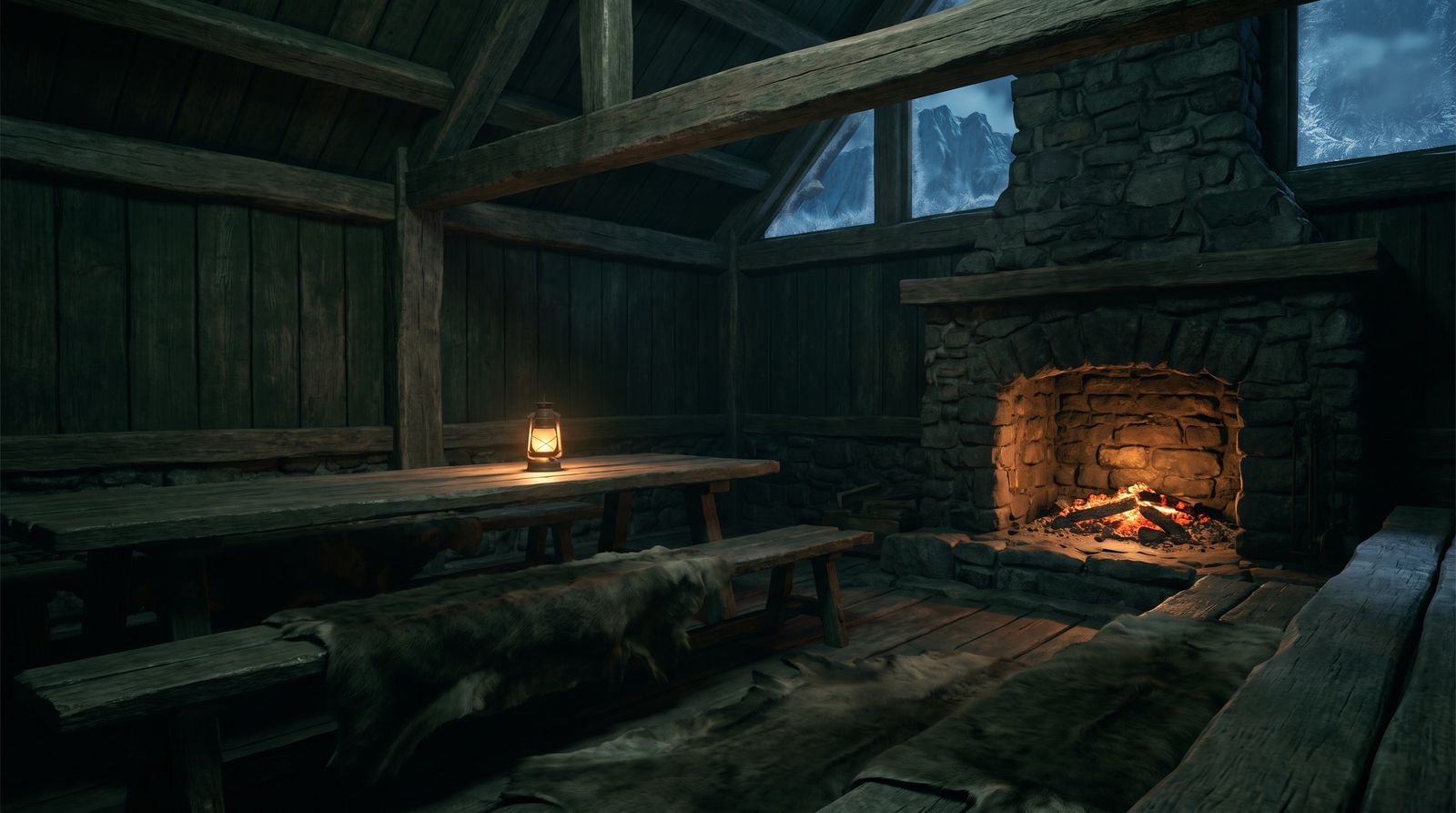
The hour the tired ones called not yet was a scout’s hour, and Niall had been taking it since before the Long Frost year had a name.
He came onto the west ridge in the dark with the scope slung and the radio quiet and his human coat on because a pelt on a first glass was a show and he did not do shows. Twenty-nine. He/him. A man. A wolf under the skin, not a symbol. The pines dripped. Last ice talked in the seams. He took the old goat path to the notch rock and set the scope and did the count he always did: alder, cut, logging road, two-mile marker, the place a second contract liked to sit if Wicks was being professional. Empty. Then not empty. One canvas. One cup. One rifle slung wrong.
He had walked this ridge last autumn when Tamsin Greer came home in a truck with no pack mark. He had walked it in the thaw when a fox walked Main and Pine Hollow rioted and then folded. He had walked it after Joss said, gold, no theater, Niall is not a lesson. He is a rotation. The pack had mostly listened. Elders who had not listened were about to try again, because spring made politicians hungry. That was later weather. This hour was a canvas and a cup and a rifle slung down.
He glassed the cup for a long time. A person who left a cup had decided something in the night. A person who slung a rifle down had decided something in the morning. He filed both. He did not steal a bond from a bench he had not walked yet, even when the bond—if it was a bond—ticked once, rude and alive, low in the chest where scent lived.
Radio, quiet: Wes, south finger, clean. Ilya, square, clean. Oren, porch, clean. Pim, not a radio, a fact in the yard below, ears up if you knew how to smell a fox who would not flatten. Niall clicked once. He did not talk. Talking on a first glass was how you missed a second shooter.
There was no second shooter.
There was a woman.
Niall was twenty-nine and the ridge was still a job.
False dawn came in gray, then a dirty gold that made last ice look like a trick. He had been on the glass since the hour the tired ones called not yet—the hour when a camp that wanted to be invisible still moved, because people who lived on paper always moved before they meant to. Human-form. A man. A scout. The scope’s rubber tasted like last autumn’s oil. Two hundred yards to the bench below the scree. A little left-to-right push off the notch. Wind out of the west, wet, carrying pine and a faint ammunition grease that did not belong to Ironfang.
Spring sat on Ashfall like a held breath after thaw. Snow had let go of the west benches in dirty ribbons. Melt ran in the rock seams and made the pines smell like wet iron. The Long Frost year had given the pack a remated alpha, a beta who lived in his pelt, a town wolf who had stopped passing, a healer who had kept a coyote, and a fox who would not put the ears away. The hollow had folded. The south benches were a hunting agreement. None of that changed the west ridge or the last militia contract Wicks still wrote: a hunter in the range with a list in her pocket and a rifle that, this morning, was slung wrong.
Down. Not ready.
He catalogued the rest because that was the job. No second shooter in the alder. No radio click on the frequency Wicks liked. No truck idling on the old logging cut. One canvas, broken cold. One tin cup left on a stone as if she had decided, in the night, that carrying it was a kind of lie. One woman. Thirty-one, if the face was honest. Human. Hunter-shaped. Dark hair tied like someone who had slept in a camp and left it. A coat that had been good once and had learned ash. Hands empty enough to be a surrender if you knew how to read one.
He had been a rotation since before Tamsin Greer came home. Joss had said it at a table, gold eyes, no theater: Niall is not a lesson. He is a rotation. The pack had mostly listened. Elders who had not listened were about to try again, because spring made politicians hungry. That was later weather. This morning was a woman and a rifle and a list that still thought the range was a paycheck.
Niall’s wolf sat under the skin and did not ask to come out. He liked the den body for running and for tables that needed ears. He did not owe a ridge a pelt to prove he was a man. He was a man on a rock with a scope. That was the inventory. It had been the inventory last autumn, when Tamsin had come up the road in a truck with no pack mark. It had been the inventory in the thaw, when a fox had walked Main and Pine Hollow had rioted and then folded. It was the inventory now.
He watched her stand.
She looked at the den-smoke in the valley the way a person looked at a door they had already decided to use. She did not look like a trophy. She looked like a job that had quit her. She checked the alder once, hunter-habit, and did not raise the rifle. She left the cup. She slung the strap lower, which was the opposite of ready, and started the path that would bring her under his glass whether she knew it or not.
The bond—if it was a bond, if he was allowed the word about a woman who had been paid to hunt his people—ticked once, rude and alive, low in the chest where scent lived. He filed it as weather he would not steal on a path. He had seen mates happen. He had seen them used. He would not do the second thing to a stranger on a bench, and he would not pretend the first thing was not there.
He stood up.
She saw him. The rifle stayed down. That was the first decent thing she did, and it was a large one. He let her see a person: human face, clean hands, a scout’s coat, no half-form theater for a woman who had been taught that ears meant a target. He came off the rocks with his hands visible. Twenty-nine. He/him. Wolf under the skin, not a symbol.
The scree talked under his boots. He took the old goat path because the logging road was a place second contracts liked to sit, and he had already glassed it empty, and he still would not give a maybe a lane. She watched him come. She did not step back. She did not step in. She waited like a person who had decided the next honest thing was not a shot.
“If you put it all the way down,” Niall said, “I can walk you in as asylum and not as a trophy. If you raise it, I will do my job. I’d rather do the first one.”
His voice came out town-and-pack, the register he used on the hollow’s leftover eyes and on Sila’s tired ones when a line needed to be a sentence. He did not rumble. A rumble on a first meeting was a trick or a claim. He was offering a walk.
She looked at him. She saw a man on a ridge with a scope and a pack behind him. She did not see a speech. That was the second decent thing.
She put the rifle down.
The sound of it on wet stone was small and final. Niall felt his shoulders do a thing they did when a count came back clean. He did not thank her. Thanks would have made it a performance. He came the rest of the way and stopped at a distance that said I can still do my job and also I am not herding you.
Up close she was still thirty-one if the face was honest. A scar at the thumb that was old tool, not old pack. Eyes that had learned to count exits. Mouth a line that had learned not to explain itself to paper. The inner pocket of the coat had a paper-shape. He did not look at it. Looking at it would have made it a scene.
“Name,” he said.
“Odette Holm.” Her voice was hoarse, camp-sleep and a year of ammunition. “I already quit. If your alpha needs it in writing, I have Wicks’ last paper in my coat. I’m not using it.”
He believed the quit. He believed the paper. He believed, because he had to, that a hunter who put a rifle down in spring might still pick it up if a table made her into a story. That was later. Today was a name and a walk.
“Then walk,” Niall said. “I’m Niall. I’m the scout. You’re not a lesson. You’re a rotation that hasn’t been assigned yet.”
She picked up the rifle by the strap, muzzle honest, and slung it the rest of the way down. She did not ask him to carry it. He would not have. A defector who wanted asylum still had hands. Hands that kept a job were less likely to invent a new one on the inner gate.
They took the path that was not the logging road. Melt-water, last ice in the shade, a jay that had opinions. Niall walked beside her, not behind, not herding. He watched the alder and the cut and the place where a second contract liked to sit if Wicks was being professional. Empty. Spring made the leaves loud. He liked loud. Loud meant no one was being careful.
Odette did not fill the quiet with a conversion. He liked that too.
At the first bend he glassed behind them without making a show of it. Still empty. He offered her the skin. She drank. She did not wipe the mouth like he was contagious. She handed it back.
“You’re not what the contract described,” she said after the water, which was as close as she would come, and he filed the sentence as a person refusing a file.
“I’m Niall.” He did not look at her pocket. “That’s the only name I need from you, and the only one you get from me. If Wicks wrote something else, that’s his garbage. I’m a man. I’m a wolf. Those are both true. Neither is a metaphor. If you came here to hunt a symbol, the ridge is still behind you.”
He said it the way he said wind calls: once, clean, then done. He had said versions of it to elders who wanted a poster and to a hollow printer who had once asked, smiling, whether Ironfang had a “face for the fold.” He had not given them a face. He would not give a hunter one either, even a hunter who had put the rifle down.
Odette’s mouth was a line. Then it wasn’t. “I came here to put a rifle down. I met a man. That’s the inventory.”
The bond ticked again. He did not steal it. He walked.
The two-mile marker was a blaze Jory had inked last winter and Pim had sniffed like a joke. Niall stopped long enough to do the job the marker was for: count the draw, count the cut, count the woman beside him without making the count a file. She waited. She did not ask what he saw. She had been the person on the other side of glass. She knew what a stop was.
“How many on the list,” he asked, because a scout asked, “still think this range is a contract.”
“Enough to fill a camp.” She nodded west, two ridges over, where smoke would show if someone was stupid in daylight. “Wicks wrote me last. Bring a scout if you can; the rest are extra. I read it in a tent. I closed it. I’m not extra. You’re not a bring. I’m walking in because I watched a town fold around people and I got tired of being the story that shoots them.”
Niall almost smiled. He did not. Smiling on a path with a defector was a claim he had not earned. “Joss will want the camp. Tamsin will want the paper in a fire. Gwen will want your pulse. I want you to keep the rifle down unless someone raises on a throat. That’s the whole briefing until the inner gate.”
“Filed,” she said, and the word sat between them like a tool.
They walked another mile in spring that was trying to be kind and failing in the shade. He told her the gate would have a porch that was an enforcer and a fox who lived as she lived and a coyote scent under the pine. He told her Joss would be human for the hollow’s leftover eyes and Tamsin would be a door. He told her she would not sit a first table. He told her that was not a slight; it was how defectors stayed breathing. She nodded. She had taken camps apart. She knew first rooms.
“If your table tries to make you a talking point,” she said, “I’ll take the paper down. That’s the ugly part of my last job. I can point it at ink.”
He believed that too. He filed it next to the bond and did not steal either.
A howl went up on a far line—Wes, not a war, a rotation announcing a clean south finger. Niall’s ears would have flicked if he’d been shifted. He stayed human. The den body was a coat he liked. It was not a true form he owed a woman on a first morning. He was a man in this one. He would be a man in the other, later, if later was a thing they were allowed.
The inner gate came up through the trees as a stone throat. Fox-fire leftover on the air. Coyote ink. A pair of wolves who lived in pelt. Odette’s step checked once, hunter-habit, then went on. She had hunted this smell. She was walking into it with her hands empty. Niall did not make a speech about courage. Courage that needed a speech was usually a poster.
“Asylum,” he said, more to the gate than to her, practicing the word he would give Joss. “Not a trophy.”
She glanced at him. Thirty-one. Off a contract, if the face was still honest. “I met a man. I’m not here to make him a speech.”
They went in.
After the inner gate took them, he did not look back at the ridge. Looking back was a kind of speech. He walked her through the stone throat and felt the pack come up the air: fox-fire, coyote ink, a pair of wolves who lived in pelt, stew starting, oil, last ice. Odette’s step checked once and went on. He filed that. A hunter who checked and went on was a hunter who had decided.
Oren Dell was the porch, thirty-three, half-form, tail a period. He looked at her hands, then at the slung rifle, then at Niall. He did not make a minute. He said, “Asylum,” like a count coming back clean, and that was the whole porch.
Pim Faraday flicked an ear from the fence, daily, a self. Flour on her wrists. She did not ask Odette to flatten anything. She said, “Stew later. Gwen first. I’m not clergy.” Her tail moved once, lazy, pleased at a rifle slung down.
Niall kept walking. Twenty-nine. A rotation. A man who had offered a walk and was still offering it. The bond ticked. He did not steal it. He practiced the word he would give Joss: asylum, not a trophy. He practiced the word he would give himself: I’m Niall. That’s the only name. He practiced not looking at her pocket.
The yard was spring mud and people doing jobs. Sila’s tired ones moved a crate. Nessa counted. Wes and Ilya were a square that had become a habit. Gwen’s doorway held two fingers. Jory did not look up. Tamsin was a door. Joss was gold for the hollow’s leftover eyes.
Niall said the word.
The ridge, behind them, stayed a job.
He had been on this ridge six mornings.
The first morning the canvas was not there. The second it was a rumor of a cut branch. The third it was a cold ring of stones and no fire. The fourth it was a cup. The fifth it was a rifle slung almost ready, then not. The sixth it was down. He had filed each morning as weather and not as a speech. Joss had said until I say otherwise and had not said otherwise. Tamsin had said don’t die of dignity and had not come up the scree. Wes had offered to rumble the west and Niall had said no, a scout’s hour was a scout’s hour, and Wes had grinned without humor and taken the south finger instead.
On the fourth morning he had almost stood up. The cup had looked like a decision. He had stayed on the glass because almost was not a count. On the fifth he had watched her hands and thought, not for the first time, that a hunter who checked the alder and did not raise was a hunter who had already quit and not yet said it. On the sixth he stood. The bond ticked. He filed it. He offered a walk. She took it. That was the whole week, and the week was the only reason he trusted the down.
After they went in he did not look back. Looking back was a kind of speech. The ridge stayed a job. The woman stayed a walk. He practiced the word asylum until Joss’s gold took it and made it a sentence, and then he was a rotation again, which was the only kind of man he knew how to be in a yard that had already learned not to eat its own and was about to try.
The barracks before the first empty morning had been a room that knew how to wait. Niall sat on his cot with the scope in his lap and the radio on the crate and oiled the rubber until the rag came back clean. False dawn was still an hour off. The high window held a dark that was only pines. He had taken this hour since before the Long Frost year had a name, and the hour had never once asked him to be a face.
Wes came to the door half-form, tail easy, and did not come in. “West smells like a person who stopped lighting fires,” Wes said. “If you want a square I’ll bring Ilya. If you want a porch I’ll steal Oren. If you want me to rumble a canvas I’ll rumble a canvas. I like this pack better when it doesn’t eat its own. Don’t you eat yourself on a ridge either.”
“I know the smell,” Niall said. “South finger is yours. Don’t make the west a minute. If she raises I’ll do the job. If she puts it down I’ll walk her in as asylum. Either way you take the south.”
Wes grinned without humor. “Filed. Don’t die polite. Don’t die of a poster. Those are different deaths. I hate both.”
He left. The door stayed loud, which was how Niall liked a door. He put the rag down. He did not sleep much. A scout’s hour was a scout’s hour.
Ilya found him at the inner gate before he went up, human for the hollow’s leftover eyes, ears that did not flatten. “I stopped passing so I wouldn’t be a story,” Ilya said, town-quiet. “If the west is a person and not a contract, walk them. If the west is a contract, don’t die making it a speech. I’ll be a square if you ask. I won’t be a square if you pretend you don’t need one.”
“I’ll ask,” Niall said.
“Good.” Ilya’s tail would have hooked Wes’s if Wes had been there. Wes was already a south-finger shape. “Jory inked the west draws quiet last week. Quiet is a kind of lie if you trust it. Glass twice.”
Niall glassed twice. That was the job.
The first morning the canvas was not there. He took the old goat path in the dark with the scope slung and the radio quiet and his human coat on because a pelt on a first glass was a show. He set the notch rock. He did the count: alder, cut, logging road, two-mile marker, the place a second contract liked to sit if Wicks was being professional. Empty. Melt in the seams. A jay that had opinions about a man who sat still. He stayed until the dirty gold made last ice look like a trick, and then he walked down and told Joss the west was a rumor of nothing, and Joss said until I say otherwise, and Tamsin said don’t die of dignity, and that was the whole first morning.
The second morning was a cut branch. Not a camp. A decision someone had made about a sight line. He filed the cut. He did not stand up. Standing up for a branch was how you taught a hunter you were eager. He radioed Wes: south clean. Wes radioed back: south clean, don’t get romantic about sticks. Niall almost smiled into the rubber. He did not.
The third morning was a cold ring of stones and no fire. A person who built a ring and did not light it had decided something in the night and then decided something else. He glassed the alder for a second shooter. Empty. He glassed the cut. Empty. He stayed on the rock until his knees hurt and then he stayed longer because almost was not a count.
The fourth morning the cup was there. Tin. Left on a stone as if carrying it had become a kind of lie. He had almost stood up. The cup had looked like a decision. He stayed on the glass because a cup was not a rifle down and a rifle down was not a walk. He watched her hands through the scope—empty, hunter-shaped, a scar at the thumb that was old tool—and he filed the hands and he did not steal a bond from a bench he had not walked yet. The bond, if it was a bond, ticked once, rude, and he put it in the same drawer he put wind calls: present, not yet a job.
The fifth morning the rifle was slung almost ready, then not. He watched her check the alder and not raise. He thought, not for the first time, that a hunter who checked and did not raise had already quit and not yet said it. He stayed on the glass. Joss had not said otherwise. Tamsin had not come up the scree. The radio stayed quiet. Wes, on the south, clicked once, which meant still here, still not your west.
On the fifth night he cleaned the scope again in the barracks and Jory passed the open door with a map rolled under his arm and said, coyote-quiet, “West draws are still a pencil. If you want a fourth exit inked I’ll ink it when you have a fourth exit. Don’t invent one so the table has a shape.”
“I won’t invent one,” Niall said.
“Good.” Jory did not look at him like a file. Jory looked at maps. “Gwen wants you scheduled if you keep taking the not-yet hour. I told her scouts who sleep are scouts who miss. She told me scouts who don’t eat are patients. Eat.”
Niall ate. Pim’s leftover bread. A bowl he washed because hands needed a job that was not a cup on a stone two ridges west. Pim flicked an ear from the kitchen door, daily, a self, and said the west smelled like a person who had stopped lying to a lamp. She was not clergy. She was a fox who knew lamps. He filed it.
Sila’s tired one—the wash-line face—found him in the yard after bread and said, quiet, that she had bought washers in the hollow last thaw and seen a fox who would not flatten, and that a scout who took a west ridge six mornings was a person she could stand next to on a line. He said he was a rotation. She said rotations still ate. She left a second piece of bread on the crate and did not make it a welcome speech.
Nessa counted the bread after, which was how Nessa loved people. She did not ask him what he had glassed. She said, “If the west is a woman, walk her. If the west is a list, burn it. I’m not clergy. I’m a count.”
He went up the sixth morning with that in his chest and the scope slung and the radio quiet. The cup was still there. The rifle was slung wrong. Den-smoke sat in the valley like a door someone had already decided to use. He stood up. He offered a walk. She put the rifle down. That was the whole week, and the week was the only reason he trusted the down.
After the inner gate he did not look back. Oren was the porch, tail a period, asylum like a count coming back clean. Pim flicked an ear from the fence and said stew later, Gwen first, not clergy. The yard was spring mud and people doing jobs. He said the word to gold. The ridge, behind them, stayed a job. He practiced asylum, not a trophy until the word sat in his mouth like a tool, and then he was a rotation again, which was the only kind of man he knew how to be in a yard that had already learned not to eat its own and was about to try.
He showed her the path to the infirmary without herding. He watched the alder out of habit even inside the wall. Empty of a second contract. Full of a first spring that wanted a poster. He did not give it one. He kept his hands visible. He did not look at her pocket. The paper-shape rode against her ribs and he let it ride. Looking would have made it a scene. Gwen’s doorway held two fingers. He took the wall. That was the inventory he had promised the ridge, and he intended to keep it until a table tried, and after the table tried, and after the table failed, if the table failed, which was later weather, and this hour was still a walk.