Chapter one
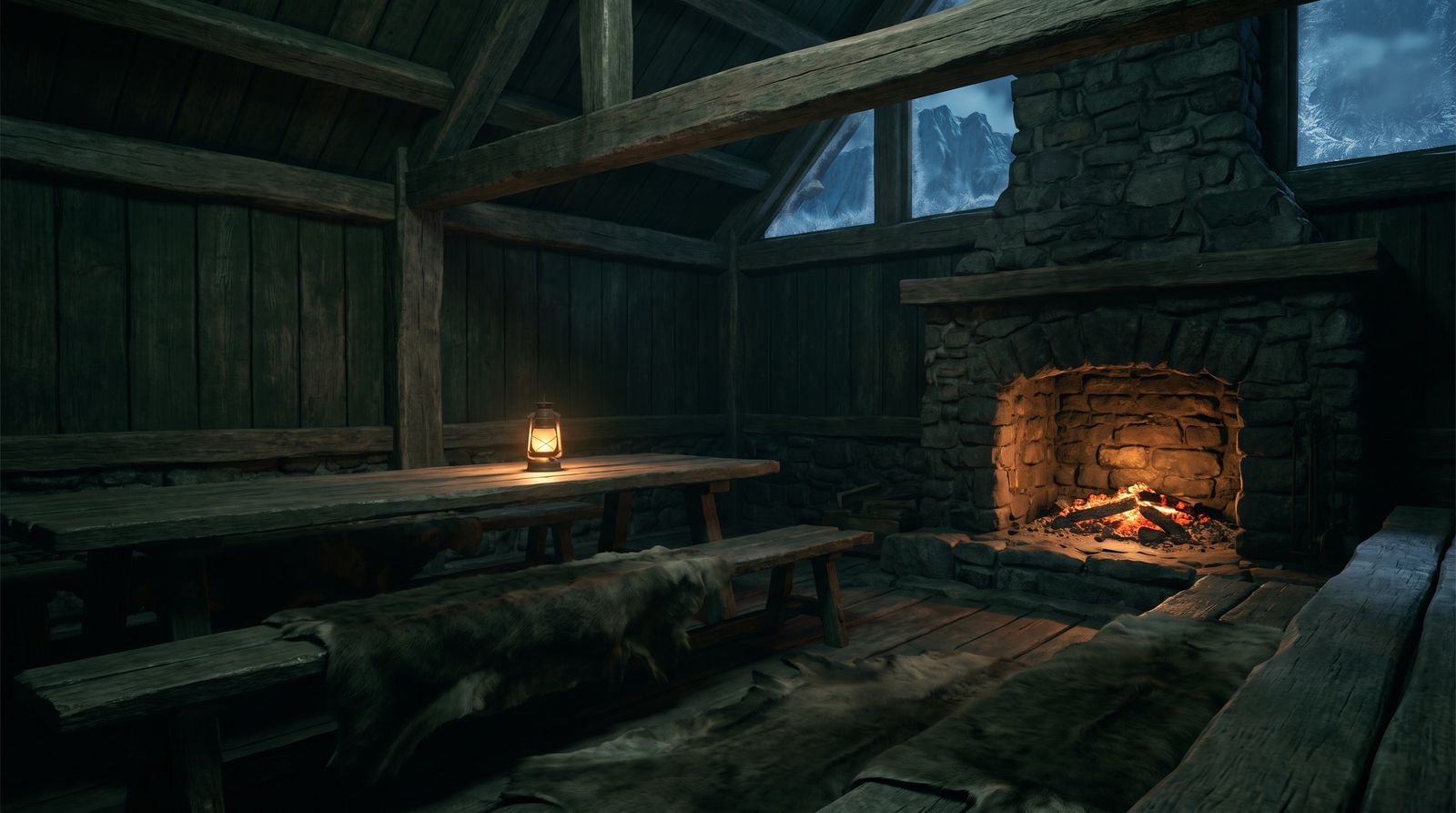
Gwen was twenty-nine and she did not take orders about who got to bleed.
The infirmary knew that before the rest of the den did. Midwinter had come down on Ashfall like a lid, and the Long Frost year was not finished; it had only changed clothes. Early winter had given the pack a beta who lived in his pelt and a town wolf who had stopped passing in a square. Midwinter gave the infirmary a smell of wet wool, boiled gut, and the particular quiet of a room that expected more work before thaw.
Gwen had been counting linen when the runner found her. Kitchen noise down the inner wall: a ladle, a pot, an argument about oil that had nothing to do with her. Ordinary den. Then boots that were not ordinary, and a boy from the south rotation with ice in his eyelashes and Joss Kerr’s sentence already in his mouth.
“Alpha says you’re wanted at the south tent,” the runner said. “He says treat him. He says now.”
Gwen did not ask who. A healer who asked who before she picked up a kit was a healer who had started doing politics with other people’s blood. She took the kit anyway. Needle. Gut. The good shears. The tea that was not kindness, only a way to keep a throat from tearing itself on shock. She tied her hair back with the same strip she always used, dark, no theater, and she walked.
The den’s south path was a trench of packed snow and lamp-oil. Canvas had gone up in the yard sometime after dusk: a prisoner tent or a guest tent, depending on who wrote the minute. Gwen did not write minutes. She wrote pulses.
She passed the inner wall’s night-shift and did not stop when one of them said Ashclaw like a stain. She passed the oil shed, where Wes’s half-form silhouette was a doorway with Ilya beside him, ears up, a couple who had already had their book. Wes’s tail flicked once, not at her, at the smell coming off the south canvas. Ilya’s ears stayed forward. Neither of them stepped into her path. Gwen filed the courtesy and did not thank anyone for it.
Tamsin Greer was a shape at the tent’s far edge, doorway, twenty-seven, settled, a mercenary who had come home and stayed. She did not come in. Settled mates did not steal healer tents. Joss was in the flap. Thirty-one. Alpha. Human-form because the tent was already a political theater and ears would have made it a species argument before anyone had looked at the wound.
“He’s Ashclaw,” Joss said. No greeting. Midwinter did not waste greetings on a bleeding coyote. “Maps in the coat. Old ones that sold us. New ones that might be an un-selling. If he dies, I have a corpse and a story. If he lives, I have a problem I can use. You’re the hands. That’s the order.”
Gwen looked past him.
The tent smelled of iron, wet wool, and a scent that was not wolf. Drier. Sharper. Grass that had never been pine. A rumble in the wounded man’s chest that sat in a different key, low and scraped, as if someone had tuned a throat to scrub instead of timber. Gwen filed it as anatomy and not as a joke. She had said, last moon, in a yard that wanted a speech, that she would stitch a coyote. She had meant it. Meaning it and being ordered to mean it were different invoices. She paid the one that was a body.
The man on the cot was thirty, if the face was honest. Dark-reddish hair matted with blood and ice-melt. A gash along the side that had been a rifle graze or a cousin’s knife; the edge was too clean for a branch and too angry for a kitchen accident. Hands that had drawn lines on other people’s lives: ink under the nails, a callus on the first finger of the right hand where a pen lived. He was not a boy. He was not a metaphor. He was a patient. His coat had been cut off him and hung on the pole like a second crime. Paper stuck out of the inner pocket. Maps. Gwen did not touch the paper. Paper was Joss’s problem. Skin was hers.
She stood long enough to see the color in his mouth and the way the dressing someone had slapped on at the bench was already a lie. Then she set the kit on the crate and rolled her sleeves.
“If you loom, you can hold pressure,” Gwen said. “If you make a speech, you can leave. I am not stitching a truce. I am stitching a body. Those are different invoices.”
Joss’s mouth was a line. He had learned, this year, that healer tents had a law older than alpha. He left. The flap let in cold and then shut. Tamsin’s boots shifted on packed snow. Doorway weather. Joss’s voice, low, not for the tent: a sentence about a corpse and a story that Gwen was already refusing to be part of.
Niall’s voice from the path, twenty-nine, scout, a rotation and not a lesson: “South bench is where we found him. He came in on his own feet and then he didn’t. Rifle down but not away until you said so.”
“You can go back on rotation,” Gwen said, without looking. “If I need a scout I will howl like a person who has forgotten how to use a runner.”
Niall left. That was competence. Gwen washed her hands in a basin that steamed. The water went pink at the edges from the last job, a hunter’s knuckle from two nights ago, already closed. She dumped it. Fresh. Soap that smelled like the den’s lye and not like a town. She spoke to the coyote because unconscious men still had ears, and because she was not in the habit of treating meat.
“I am Gwen. I am twenty-nine. If you wake up and try to bite me, I will put you under and you will wake up anyway. If you wake up and want to die for a map, do it after I finish this row. I don’t repeat work.”
The coyote’s breath hitched. A sound that was not a wolf. Different. Honest. His lashes were iced together at the outer corners. She wiped them with a cloth that was not tender. Tender was a word elders used when they wanted a healer to be a story. She was a schedule.
She cut the rest of the shirt away. The wound ran from just under the ribs toward the hip, shallow at the back edge, deeper where something had hooked and dragged. Not a gut-spill. Lucky, if luck was a word she allowed in this tent. Blood had frozen in the hair along the trail and then thawed in the canvas heat, which meant he had been in the snow long enough to start dying the slow way and not long enough to finish. Midwinter was a lid. It also kept a man from bleeding out as fast as autumn would have.
Gwen cleaned. The rumble in his chest stuttered when the cloth hit raw. She did not apologize. She did not soothe. She named what she was doing because naming kept a body from deciding it was being hunted.
“This is soap. This is not a claim. This is me making sure you do not rot in my cot. If you are Ashclaw and you sold us, you can explain that when you have a blood pressure I like. If you are Ashclaw and you un-sold us, you can explain that too. I am not a court. I am hands.”
Joss had left the maps in the coat. Gwen saw the old ink from here: Ironfang lines, the inner gate, the south benches, a hand that had been paid to make wolves visible. She saw the new ink too, a different color, uglier, hurried: boxes that were not dens. Hunter camps. A split drawn like a wound. She looked away. Looking at a map while a man leaked was how you started treating paper.
She threaded the needle. Gut that would hold if he did not tear it making speeches. Her wolf had noticed the scent the moment the flap had opened. Dry grass. Smoke. A musk that was not Ironfang and not a joke. The wolf leaned. Gwen told the wolf that noticing was not a policy. The wolf, who had not been asked to sit a council, leaned anyway.
She put the needle in.
The coyote made the sound again. Not a whimper. A note. Her own rumble answered in her chest before she could stop it, wolf-key, short, a recognition she refused to file as anything but anatomy. Two musics. The tent held them both. Gwen kept the row even. She had stitched worse. She had not stitched a scent that sat in her mouth like a question she had not agreed to hear.
Outside, Wes’s rumble, private to Ilya. The den went on being a den. The Long Frost year had taught them that a stitch could be a remating, that a square could be a choice, that a list could burn. Midwinter was asking a narrower question. Would she keep a coyote breathing because an alpha said treat him, or because the body on the cot was a person.
Both, she thought, and hated that both was already true.
The first row took the deep edge. The second took the drag-mark. She packed the shallow tail with a pad that would tell on him if he sat too soon. She tied the dressing off with the same knot she used on wolves, on a hunter’s knuckle, on anyone who arrived with a hole and a story. Species was not the invoice. Leakage was.
She checked the pulse at the throat because the wrist was cold enough to lie. Alive. Thin. A man who had crawled into enemy snow with paper in his coat and an apology that might be another sale. Gwen sat in the chair that was not comfortable, because comfortable was how you fell asleep on a watch, and she put the kit on her knees.
“You live if the fever doesn’t get clever,” she told the unconscious face. “You live if your cousins don’t come finish what the rifle started. You live if I decide the row is worth finishing. Those are the terms. I don’t marry them to a policy.”
The flap moved. A kitchen runner, steam, a bowl, the kind of person who counted food and did not ask who ate it until after it was eaten. “Alpha said hot. I said you’ll throw it at me if I come in making faces.”
“Put it on the crate,” Gwen said. “Then go count something that isn’t my patient.”
The runner put the bowl down. Looked at the cot once, not a stain, a number. “Ashclaw. That’s a new invoice.”
“It’s a body.” Gwen picked up the tea and set it where she could reach it when he woke. “The invoice is later. If you tell the kitchen a story, tell them I am stitching. Don’t tell them I am making a truce.”
The runner left. The tent settled. Midwinter wind worked the canvas. Somewhere in the den, Joss and Tamsin were a settled quiet. Somewhere Wes and Ilya were a claim that had already been paid. This tent was still a question.
Gwen watched the dressing darken and then hold. She watched the throat. She did not watch the mouth, because watching a mouth was how bonds started, and she was not a girl, and he was not a romance until he could stand.
His fingers twitched on the blanket. Ink under the nails. A map-maker’s hand asking for a pulse it had not earned.
She did not take it.
She sat. She had been ordered. She had already decided the order was irrelevant. The needle had gone in because she said it would, last moon, in a yard, and because a healer who broke her own sentence for species was a healer who had started doing Mara’s work with nicer hands.
Mara was in a cell. The list was thinner. The range was not saved. A coyote in a tent was not a save. It was a night.
She checked the stitches twice more before moonrise, not because the row was clever, because fever was. She changed the basin. She wrote nothing. Healers who wrote first nights invented stories for elders to eat.
The coyote’s breath hitched again. Gwen put two fingers on the pulse because that was the job, and because her fingers wanted an excuse she would not give them yet.
Alive.
She put the needle away. She did not leave. Rotation was a word the den used for people who could be replaced. This tent did not have a replacement she trusted with a rumble in the wrong key and a coat full of paper.
Midwinter ticked on the canvas.
She stayed.
The first night in a prisoner tent that was not yet a guest tent had a grammar. Check the dressing. Check the throat. Change the basin. Do not write. Do not sleep in a way that let the fever get clever. Gwen ran the grammar the way she ran an infirmary: as a tyrant, as a schedule, as a woman who had said she would stitch a coyote and was now stuck with the sentence.
Once, near a watch she did not name, Joss’s boots stopped outside the flap and did not come in. Tamsin’s voice, low, doorway: “If he dies, you don’t get to make her the story.” Joss’s answer was a rumble that was not for the tent. They left. Gwen filed the courtesy and did not thank anyone for it.
She talked to the unconscious man because unconscious men still had ears.
“You have ink under your nails,” she said. “You have a callus where a pen lives. You have a rumble in the wrong key. I am filing all of that as anatomy. If you wake up and try to make it a treaty, I will put you under. If you wake up and try to die, I will be angry. I hate being angry at corpses. That’s the only warning you get that isn’t a schedule.”
His fingers twitched. She did not take them.
Toward a later gray she changed the dressing again because the first pad had done its job and the second pad would tell on him if he sat too soon. The wound looked like a cousin’s work in better light. She irrigated. He hissed in his sleep. She did not soothe. She named the soap again. She named the not-claim again. She put the needle away again.
The kitchen path creaked. No runner this time. Only wind. Only the den being a den: oil argument, a pair’s rumble that was not hers, an elder saying something on a porch that she did not get up to correct. Correcting porches was how healers became treaties.
Gwen sat in the chair that was not comfortable and put the kit on her knees and watched a coyote breathe.
Alive.
The order had been treat him.
She had treated him.
The rest was a night, and a lid, and a scent she would not write down until he could stand and she could decide whether standing was a romance or just a pulse that had learned manners.
She stayed anyway.
Dawn made the canvas the color of dirty coin. Gwen changed the basin. She counted the pulse at the throat again because the wrist still lied. Alive. Thinner than she liked, better than a corpse. She boiled the tea on the small lamp and set it where a waking man could reach it without sitting. Sitting would tear. She had not said he could sit.
A runner scratched the flap. Niall’s voice, not coming in: “South still quiet. Different band still out. Alpha wants to know if the row held the night.”
“The row held,” Gwen said through the canvas. “If that’s the briefing, eat first. Dead scouts don’t hold benches. Tell Joss I am stitching. Don’t tell him I am making a truce.”
Niall left. The den woke around the tent: kitchen, oil argument, a pair’s rumble that was not hers. Wes and Ilya passed and did not stop. Not our tent. Tamsin’s boots farther off. Joss did not come to the flap. Joss had learned, this year, that healer tents had a law older than alpha.
Gwen talked to the unconscious coyote because the night had not used up her sentences.
“You have a fever that will try to get clever after light,” she said. “You have a cousin who wanted you dead for paper. You have an alpha who wants a problem he can use. You have me. I am not a problem you can use. I am hands. If you wake and you are hungry, you eat. If you wake and you are proud, you sit still. If you wake and you want to die for a map, you wait until I finish the next row. I don’t repeat work.”
His fingers twitched. Ink under the nails. She did not take them.
She sat in the chair that was not comfortable and put the kit on her knees and watched a coyote breathe through a midwinter morning that had started with an order and was already something else.
The order had been treat him.
She had treated him.
The rest was a pulse she would not write down until he could stand.
She stayed.
By full light the fever had not gotten clever. Gwen counted that as a win she would not write down. She changed the dressing again because day heat lied differently than lamp-oil. The deep edge held. The drag-mark looked like a cousin’s work in honest light. She irrigated. He hissed in his sleep. She named the soap. She named the not-claim. She put the needle away.
The kitchen sent the heel without a face this time. She set it on the crate for a waking that had not come yet. She sat in the chair that was not comfortable and put the kit on her knees and watched a coyote breathe through the first morning of being a problem Joss could use and a body she had decided to keep breathing.
Mara was in a cell. The list was thinner. The range was not saved. A coyote in a tent was not a save. It was a morning.
She checked the pulse at the throat because the wrist still lied.
Alive.
She stayed.
Near a later watch she counted the kit out loud so the tent would have a schedule instead of a story. Six needles. Two lengths of gut. A stack of pads she could ruin and still have enough for a sitting she had not allowed. The good shears. Soap. The tea that had gone lukewarm and would still do the job of a throat. She put each thing back in the same place. Healers who invented new places in the dark invented holes.
The coyote’s temples had gone warm. Not clever yet. The first warmth of a body that had been snow and was now canvas. She put a cloth on his forehead that was not tender and was not a claim. She named it cloth. She named the fever a weather she would watch and not a romance she would write. His rumble sat under the warmth in the other key, scraped, scrub, a throat tuned to grass. Her own rumble answered once, wolf-key, short, and she told it to sit down. It sat. It did not leave.
She looked at the coat on the pole without touching it. Old ink: the inner gate, the south switchback, the creek that froze in a Long Frost autumn, a hand paid to make wolves visible. New ink: boxes that were not dens, a split drawn like a wound, camps a militia man would trust. Paper was Joss’s problem. Skin was hers. She kept her hands on skin.
Wes’s voice carried from the oil shed, not words she needed, only the fact of a pair who already had a paid claim and were not coming to steal a stitch. Ilya’s laugh, quieter, town-and-pack. An elder on a porch said Ashclaw and nobody corrected the porch. Gwen did not get up. Correcting porches was how healers became treaties.
She almost slept. She pinched the web of her own hand until the tent came back. The chair was not comfortable. That was the point. She checked the throat. Alive. She checked the dressing. Holding. She dumped the basin because pink at the edges was yesterday’s knuckle and today’s lie if she left it.
“You are not a save,” she told the unconscious face. “You are a night. If you want to be a save you can wake up and stand and explain the paper. Until then you are a pulse I am keeping because I said I would stitch a coyote and I do not break my own sentences for species.”
His fingers twitched. Ink under the nails. She did not take them.
Midwinter ticked on the canvas like a lid that had learned to be a clock.
She stayed.